Introducing Our Developer Program
We are thrilled to invite the community to join our new LightOS developer program, a way to empower users who want to create their own tools for the Light Phone, and to build a platform for them to share those with others. And you don’t need to own a Light Phone to participate!
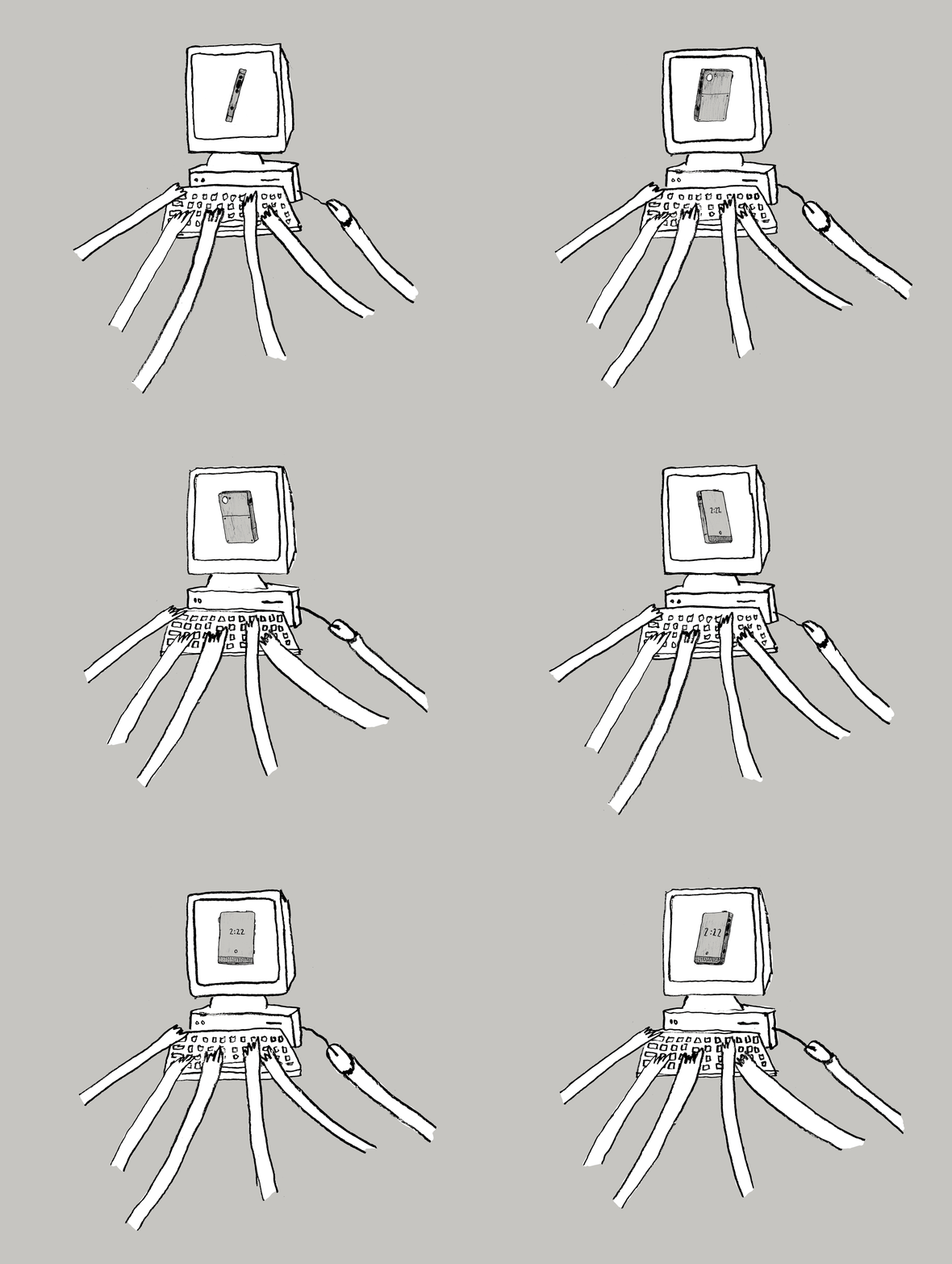
Light began with a crowdfunding campaign in 2015 (maybe the first crowd-funded phone ever?), and we have cherished our unique relationship with our users ever since, working closely with everyone over the years to iterate on the hardware and software.
The introduction of the Light Developer Program takes that even further, giving users the ability to create tools for their Light Phones and then providing a new platform – a "tool library" – to share those tools with one another. We’re looking for interested developers and users who want to help test new tools. It’s going to be a great collaboration!
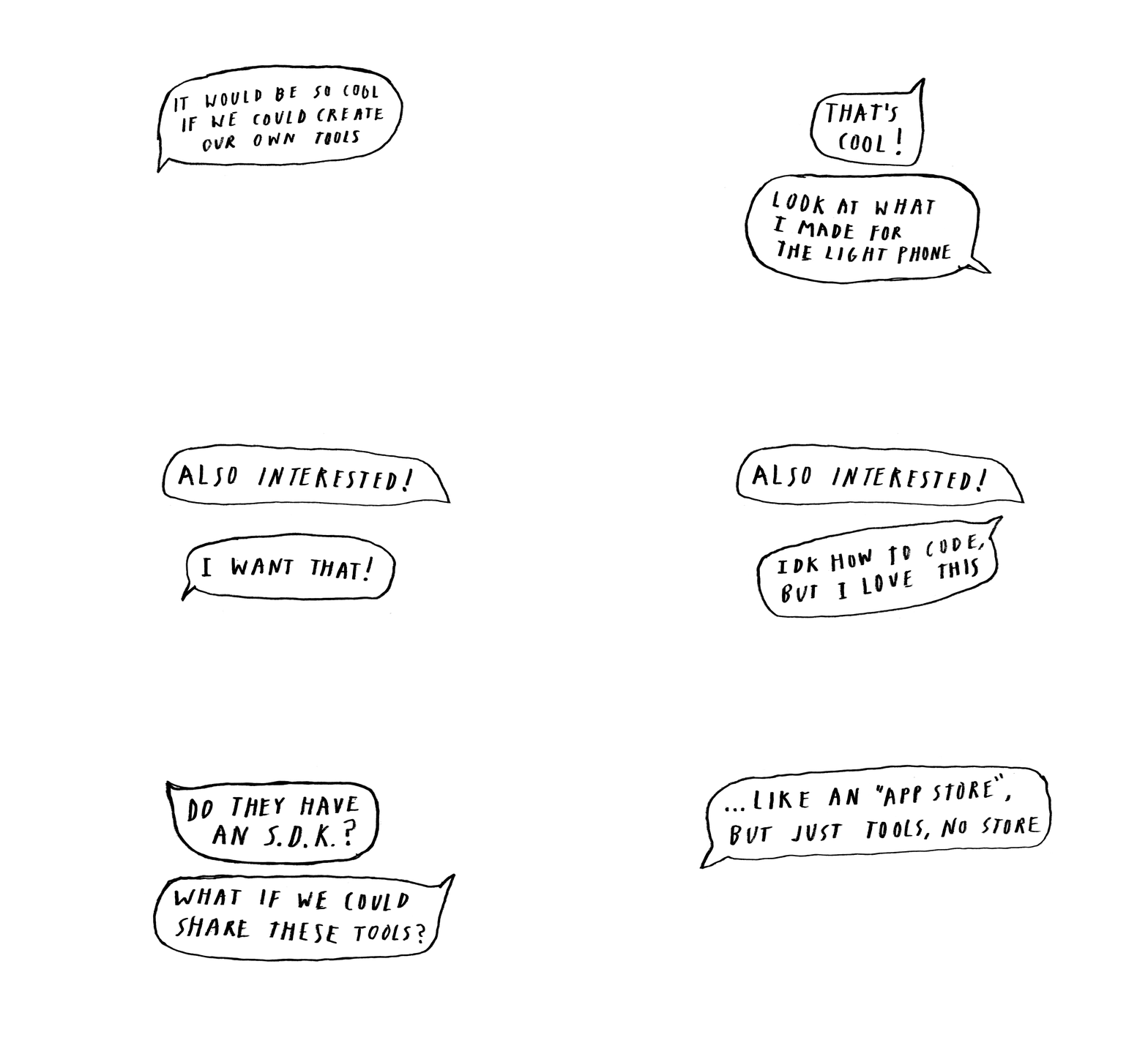
We’ve seen what different users have already been working on (from Noscroll.ing to other Reddit Posts and the modding/hacking channels), and it is very inspiring to witness! We’ve also heard the feedback from those who would love to take advantage of custom tools without hacking and modifying their phone.
Building this software development kit serves a dual purpose; we are already using it in our own internal development for things like a re-worked keyboard and camera (for optimizations and new features). We’re using these same tools to build out our own Signal tool. We've made great progress and cannot wait to share more about that soon.

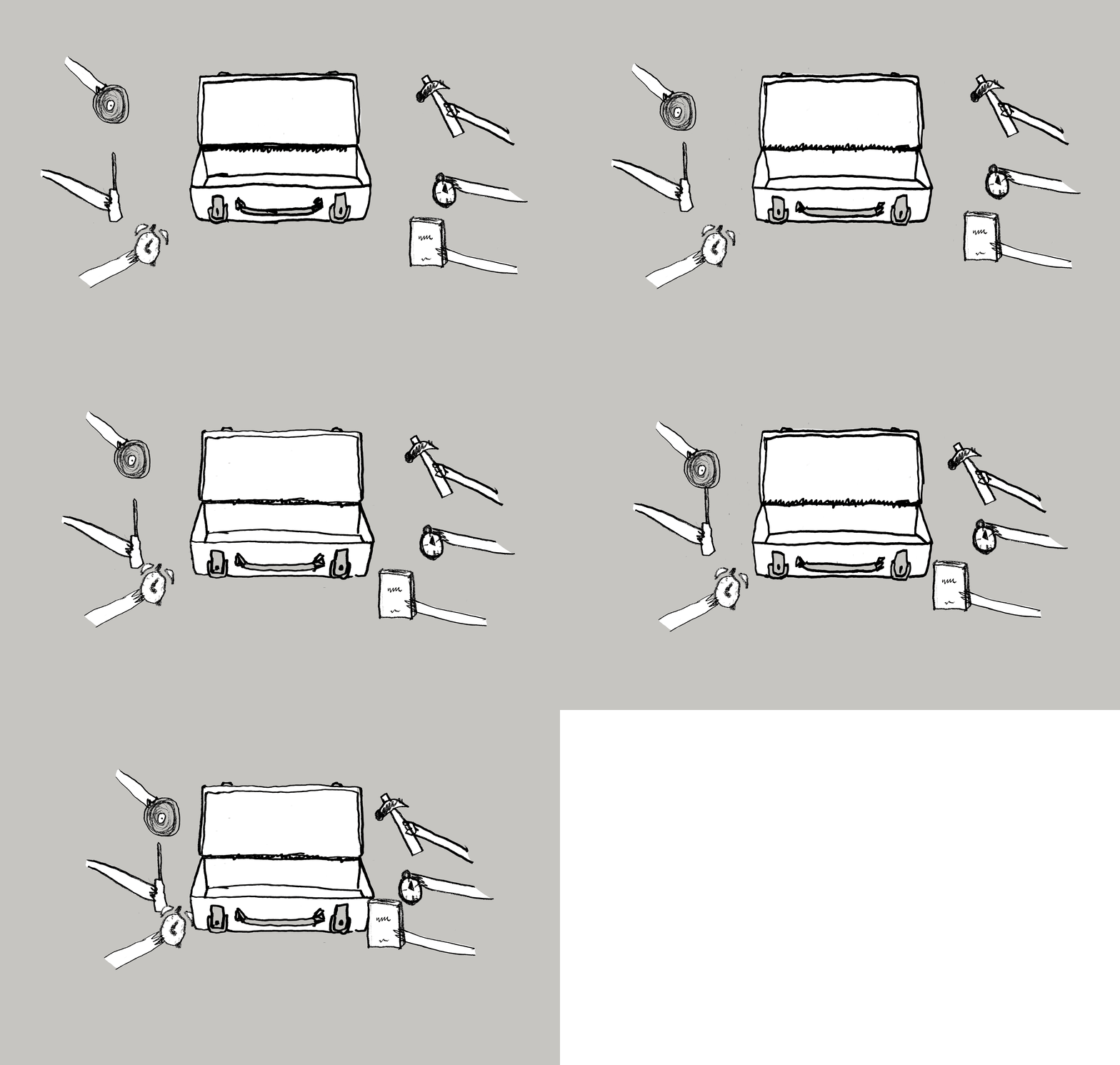
The idea is to provide a curated, non-commercial, open-source platform of user-created tools that expand the utility of the device – without compromising the Light mission to create technology that doesn't want your constant attention.
For the majority of our users this means that in addition to our Light tools, you can also browse a collection of vetted, user-created tools. Installation is seamless from the dashboard.
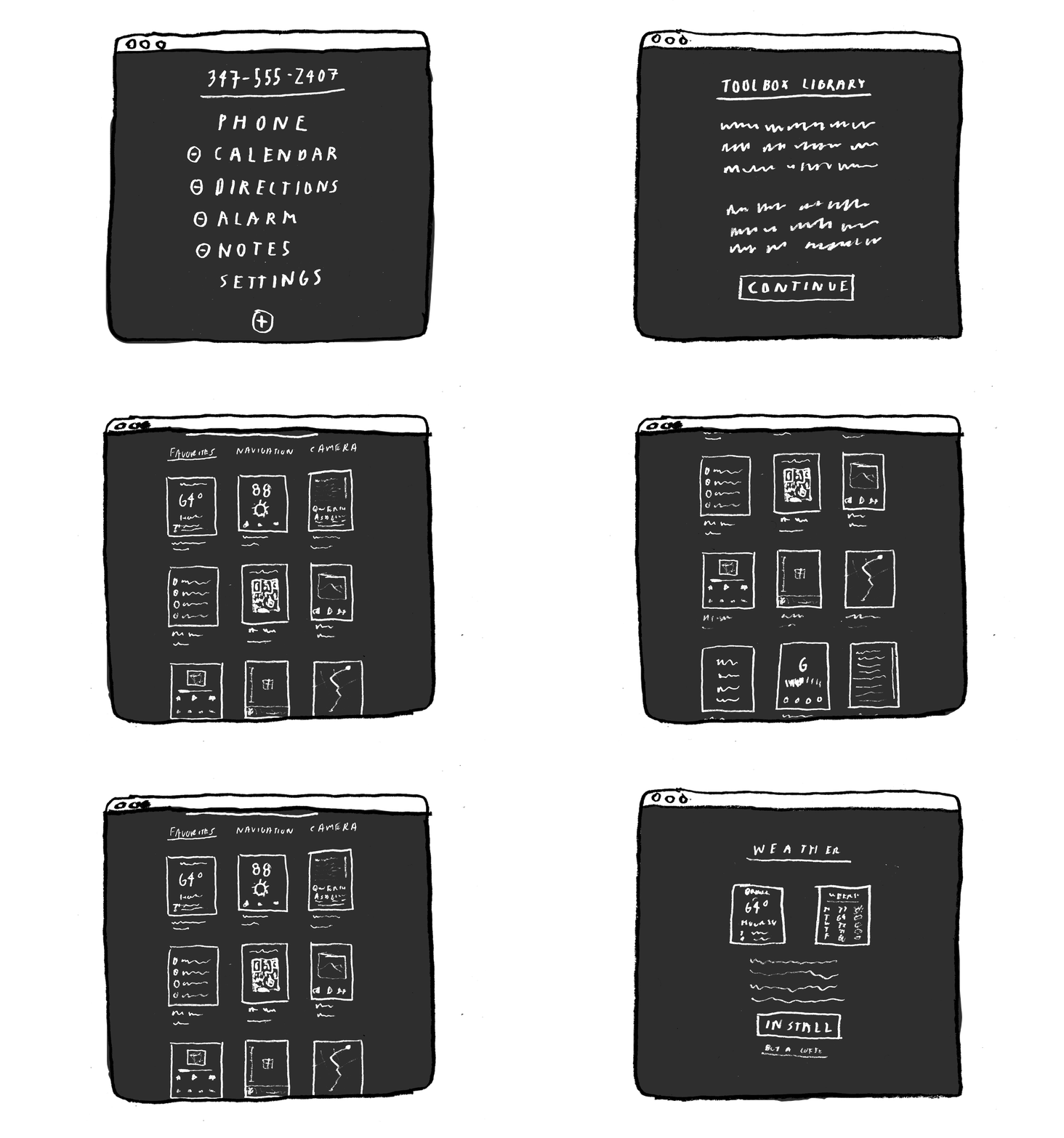
The Tool Library will only include tools that are blessed by Light, vetted and supported by the community and adhering to the Light ethos. Each tool must serve a clear intentional purpose, and of course, respect user-privacy to the fullest extent.

The Software Development Kit
The SDK will provide a paired down version of the standard native Android development experience. We’re promoting modern best practices and building around tools that are already well supported and documented.
Our developer team will also be there to help answer questions, brainstorm future features for the SDK and promote community collaboration to bring new tools to life.
There will also be a new Developer Mode option in the dashboard, which will provide the ability to side-load tools you are developing and other settings.


Design Elements Library
It will have an open source UI/UX library of application components built around Jetpack Compose.
Push Notification Support
We will also provide support for push notifications within LightOS.
Media Access
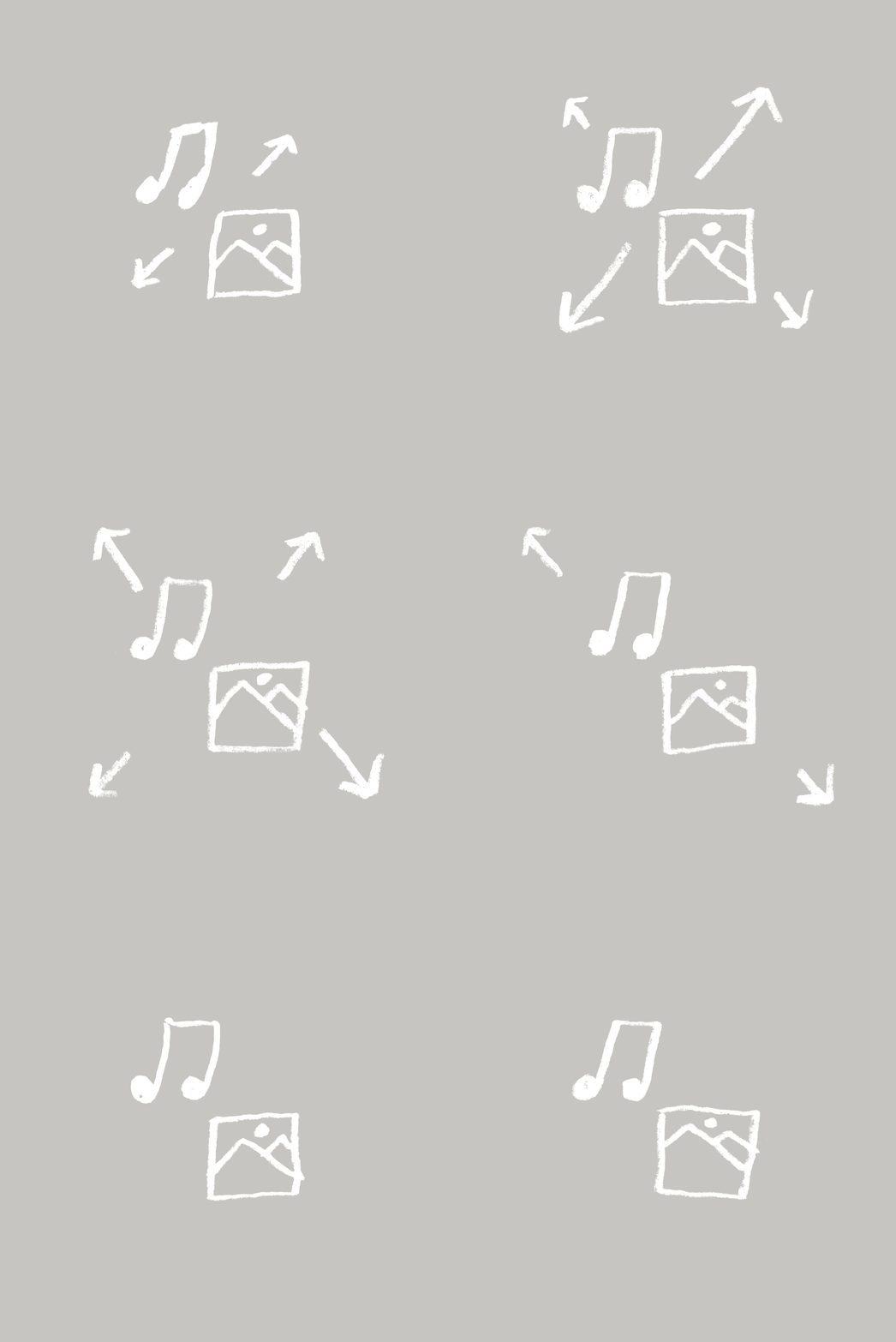
With a user's permission, tools can be built around their audio, video, images and other files with encrypted APIs for sending and receiving data with LightOS.
Emulator Support
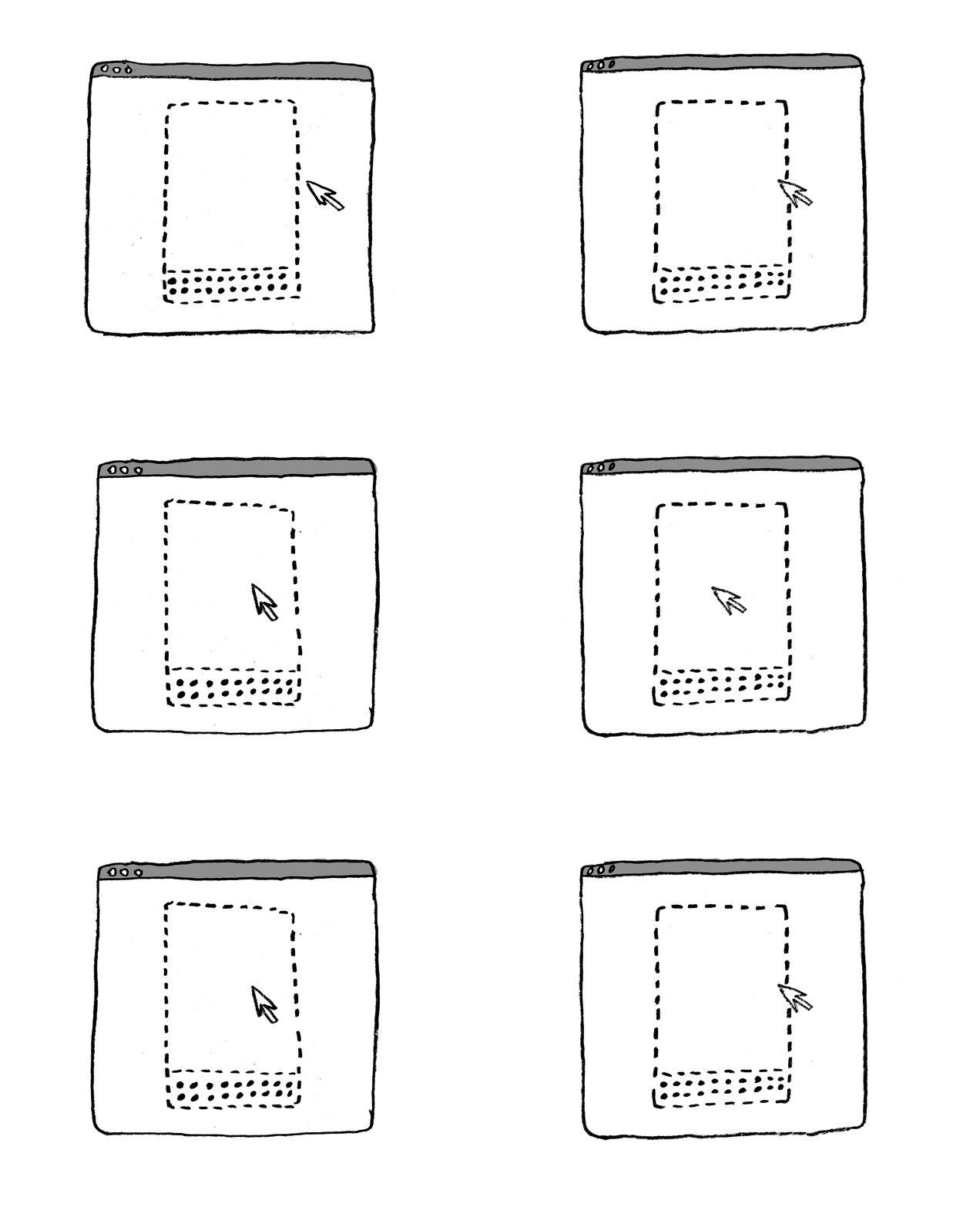
The SDK will include an emulator so that you can develop and test Light tools whether or not you have a physical Light Phone III.
While we will be starting with our SDK, we are interested in building a community of developers around the LightOS with which we hope to further open source.
Join the Developer Program
While this is just the first iteration, and we have some exciting updates we'll keep rolling out over the next few weeks, it is ready for developers to dive in and begin building tools today!
Frequently Asked Questions
-
You will not need a Light Phone to develop for the LightOS. We’ll provide a lightweight LightOS emulator to enable development on any hardware.
-
This program is targeted to developers, but you can also participate as a beta tester as well. We are trying to make the SDK as accessible as possible and this could be a great opportunity to try developing for the first time.
-
Absolutely nothing! After signing up, we will send be you an invitation to join our GitHub as well as share more details around how to follow along and join in conversations around the SDK development.
-
We are creating an ecosystem, similar to that of the standard native Android development experience. You will find everything from a Developer Mode setting in the dashboard (which streamlines side-loading of APKs) to a robust SDK in GitHub as well as a community to collaborate with. Our developer team will also be there to help answer questions, brainstorm future features and generally support bringing new features and tools to life.
The SDK will include:
- Open source UI/UX library of application components built around Jetpack Compose
- Push notification support via LightOS
- A lightweight LightOS emulator
- Simple APIs for sending and receiving encrypted data/content
-
We’re creating a platform we’re calling the “Tool Library” on the dashboard. Developers can choose to submit their custom tools to be vetted by the community and Light team to ensure there is nothing malicious and that it is consistent with the ethos and intentional aesthetic of LightOS. Once accepted Light users will be able to install your tool directly from the Tool Library in the dashboard.
For the average user, this library will serve as a collection of additional tools they can add to their phone.
-
There will be a submission process which will be reviewed by both the community as well as the Light Team. In order for us to make a tool available for the larger user base through the Tool Library we will ensure that the tool follows all of our existing guidelines (i.e. no social media, internet browser, news, email or other infinite feeds). The tool must respect user privacy. It is also important that it maintains a similar UX and intentional design as our existing tools. These principles will be explicitly laid out in our developer tools and submission process. This is important for maintaining the trust our users have put in Light.
-
No, of course not. The developer kit will allow you as a developer to customize your own personal device as you see fit.
-
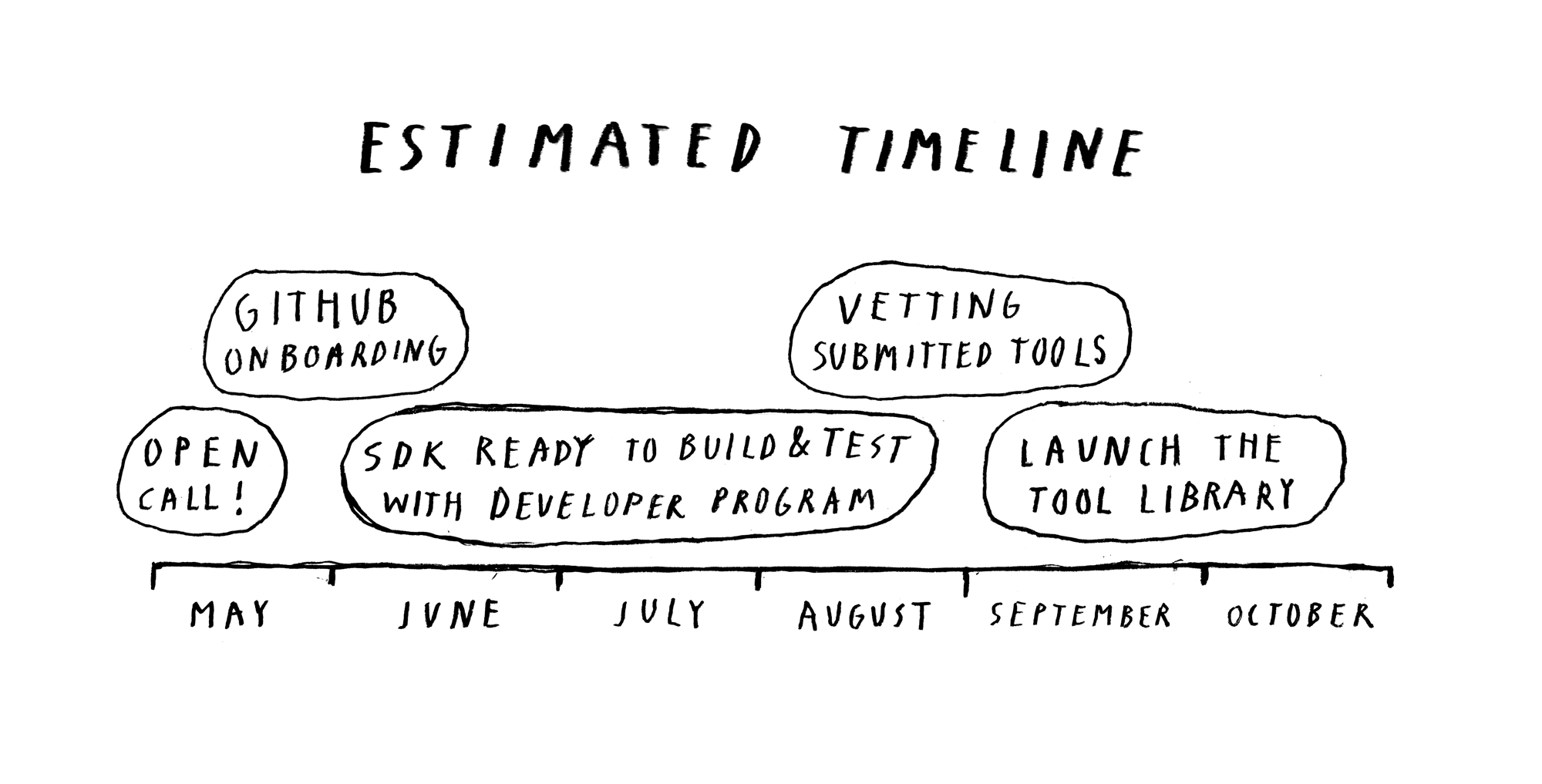
The Github is live now - https://github.com/lightphone/light-sdk and submissions will open the first week of October for the Tool Library. The Library will be live in November.
-
The Developer Mode in the dashboard will allow you to side-load whatever APK you’d like, and have it included in the LightOS toolbox menu on your phone (no need to leave LightOS). However, pre-existing apps that were not built with the provided SDK may not work well (or at all) on the Light Phone III due to the screen size, or lack of GMS certifications, among other technical reasons. The SDK will allow users to ensure their APK will work seamlessly on the Light Phone via LightOS.
-
Unfortunately this developer program will be limited (at least for now) to Light Phone III development. We had always planned to merge the LightOS to be shared between the two devices, but there were technical challenges that has prevented that from happening yet. We have learned a lot, and going forward LightOS (as it currently exists) is a much more device agnostic platform that will work on other devices in the future. For Light Phone II users, we may also be able to support a different SDK in the future, but it is out of our current scope for this initial project.
-
We have always planned to continue to roll out more mission-aligned tools that make sense for going light, and we are confident that the core principles of what make the Light Phone special will be maintained for the Tool Library as we have maintained for every new tool or feature we introduce.
-
This is not an app store; the tools will be shared freely in the Tool Library. We do plan to include an option to tip the creators, as is commonplace to show gratitude in other open sourced communities on GitHub.